
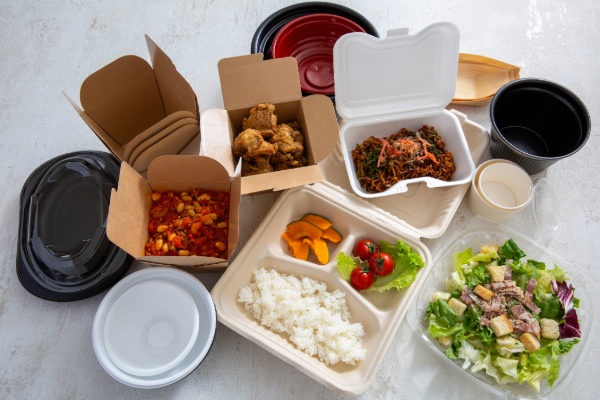
Takeaway food containers have become an essential part of modern food culture, reflecting the growing demand for convenience, portability, and efficiency in how meals are served and consumed. As urban lifestyles become busier and dining habits continue to evolve, more people rely on takeout and delivery services 外賣餐盒. This shift has placed takeaway food containers at the center of the food industry, making them a crucial element in ensuring that meals remain fresh, safe, and appealing from the kitchen to the customer.
The development of takeaway food containers has come a long way from simple packaging solutions. In earlier times, food was often wrapped in paper or placed in basic boxes that offered minimal protection. Today, containers are designed with advanced materials and structures that help maintain food quality. Features such as insulation, leak resistance, and compartmentalized sections allow different types of food to be stored together without compromising taste or texture. This level of innovation has greatly improved the takeaway dining experience.
One of the most important considerations in the design of takeaway food containers is food safety. Containers must be made from materials that do not react with food or release harmful substances when exposed to heat. Many modern containers are manufactured using food-grade plastics, biodegradable materials, or coated paper products that meet safety standards. Proper sealing mechanisms also help prevent contamination during transport, ensuring that food reaches customers in a hygienic condition.
Sustainability has become a major focus in the production of takeaway food containers. With increasing awareness of environmental issues, both businesses and consumers are seeking eco-friendly alternatives to traditional packaging. Single-use plastics, once widely used, are now being replaced by biodegradable, compostable, and recyclable materials. Containers made from plant-based fibers, recycled paper, or natural materials are gaining popularity as they reduce environmental impact while still providing functional performance.
The rise of environmentally conscious consumers has influenced how restaurants and food services choose their packaging. Businesses are now more aware that their choice of takeaway food containers can affect their brand image. Using sustainable packaging not only helps protect the environment but also attracts customers who value eco-friendly practices. This shift has encouraged innovation in the packaging industry, leading to the development of new materials that balance durability with sustainability.
Convenience remains a key factor in the popularity of takeaway food containers. Customers expect packaging that is easy to carry, open, and dispose of after use. Lightweight designs and stackable shapes make transportation more efficient for both businesses and delivery services. Secure lids and ergonomic structures ensure that food can be handled comfortably without spills or leaks. These practical features enhance the overall user experience and contribute to customer satisfaction.
Another important aspect of takeaway food containers is temperature retention. Different types of food require specific conditions to maintain their quality. Hot meals need to stay warm, while cold items must remain chilled. Insulated containers and specially designed materials help regulate temperature during transit. This ensures that customers receive their meals in optimal condition, preserving both taste and presentation.
The growth of food delivery services has significantly increased the demand for high-quality takeaway food containers. Online ordering platforms and delivery apps have made it easier for customers to access a wide variety of cuisines from the comfort of their homes. As a result, restaurants must invest in packaging that can withstand longer delivery times without compromising food quality. Durable and reliable containers have become a necessity in this competitive market.
Design and presentation also play a role in the effectiveness of takeaway food containers. Packaging is often the first physical interaction a customer has with their meal, making it an important part of the dining experience. Attractive designs, branding elements, and clear labeling can enhance the perception of quality and professionalism. Many businesses use customized containers to reinforce their brand identity and create a memorable experience for customers.
Cost efficiency is another factor that influences the choice of takeaway food containers. Businesses must balance quality with affordability to maintain profitability. Bulk purchasing, material selection, and design optimization all contribute to cost management. At the same time, cutting costs should not compromise safety or functionality, as poor packaging can lead to negative customer experiences and potential losses.
The role of technology in packaging innovation continues to expand. Smart packaging solutions are being developed to improve functionality and user convenience. Features such as tamper-evident seals, ventilation systems for hot foods, and moisture control mechanisms are becoming more common. These advancements demonstrate how takeaway food containers are evolving to meet the changing needs of the food industry.
Regulations and standards also influence the production and use of takeaway food containers. Governments and health organizations set guidelines to ensure that packaging materials are safe and environmentally responsible. Compliance with these regulations is essential for businesses to operate legally and maintain consumer trust. As environmental concerns grow, stricter regulations are likely to shape the future of food packaging.
Consumer behavior continues to drive changes in the takeaway food container industry. People are becoming more aware of the environmental impact of their choices and are actively seeking sustainable options. This has led to increased demand for reusable containers and innovative packaging solutions that minimize waste. Businesses that adapt to these preferences are more likely to succeed in the long term.
The global nature of the food industry also affects packaging trends. Different regions have unique preferences and regulations that influence the design and materials used in takeaway food containers. International businesses must consider these factors when expanding into new markets. Adapting to local needs while maintaining consistent quality is essential for global success.
In conclusion, takeaway food containers are a vital component of the modern food industry, combining functionality, safety, and sustainability. As consumer expectations continue to evolve, packaging solutions must adapt to meet new demands for convenience, environmental responsibility, and quality. From innovative materials to advanced design features, the future of takeaway food containers will be shaped by ongoing technological advancements and a growing commitment to sustainability. These developments ensure that takeaway dining remains a practical and enjoyable option for people around the world.